
This document focuses on a number of topics that pertain to the construction industry as a whole, including the continued impact of labor shortages, the role of artificial intelligence, rising material costs, the growth of data center construction, and the expansion of sustainable building practices. It also includes a brief summary of trends in used equipment values.
Labor Shortages Continue to Impact Construction Projects: One of the biggest challenges facing the construction industry in 2026 is the ongoing shortage of skilled labor. Contractors across the United States are struggling to find enough qualified workers in trades such as electrical work, welding, plumbing, and heavy equipment operation. Many experienced workers are retiring, while fewer younger workers are entering the skilled trades workforce. As a result, companies are experiencing project delays, rising labor costs, and increased competition for experienced employees.
To address the issue, many construction firms are investing in apprenticeship programs, partnerships with trade schools, and workforce development initiatives. Some companies are also offering higher wages and improved benefits to attract workers. Industry leaders believe that technology and automation may help reduce some labor pressures, but skilled workers will still remain essential for most construction projects.
According to Deloitte’s 2026 Engineering and Construction Industry Outlook, workforce shortages continue to be one of the top concerns for construction companies. The report notes that labor challenges are affecting project schedules and increasing overall construction costs. The Associated General Contractors of America has also reported that many contractors are having difficulty filling hourly craft positions.
Artificial Intelligence Is Changing Construction Operations: Artificial intelligence is becoming an important tool in the construction industry. Many companies are now using AI-powered software to improve scheduling, cost estimating, project management, and jobsite safety. These systems can analyze large amounts of project data quickly, helping contractors make faster and more accurate decisions.
Construction firms are also using AI to identify potential safety risks before accidents occur. Some software programs can monitor jobsite conditions in real time and alert supervisors when unsafe conditions are detected. In addition, AI-assisted project planning helps companies reduce delays and improve communication between contractors, engineers, and project owners.
Another growing trend is the use of robotics and automation in construction. Automated equipment and robotic systems are helping companies complete repetitive tasks more efficiently, especially during labor shortages. Industry experts believe AI adoption will continue to increase as firms look for ways to improve productivity and reduce costs.
According to Construction Dive and Deloitte, construction technology investments have increased significantly over the past several years. Many firms view AI as a practical solution for improving efficiency while managing labor and scheduling challenges. Although AI will not replace skilled workers, it is expected to become a standard part of modern construction management.
Rising Material Costs Remain a Major Concern: Construction companies continue to face challenges related to rising material costs and supply chain disruptions. Prices for important building materials such as steel, copper, concrete, and electrical equipment have remained unpredictable over the past year. Higher transportation costs, global demand, and supply shortages have all contributed to increased expenses for contractors and developers.
These price increases have made project planning more difficult. Contractors must carefully estimate costs and often include contingency plans in contracts to protect against future price changes. In some cases, projects have been delayed or redesigned because of budget concerns. Smaller construction firms are especially affected because they may have fewer financial resources to absorb unexpected increases in material costs.
Supply chain disruptions are also creating longer wait times for certain products and equipment. Delays involving electrical components, HVAC systems, and specialized building materials continue to affect project schedules across the industry.
According to Engineering News-Record and the Associated Builders and Contractors organization, material costs remain one of the top concerns for construction businesses in 2026. Industry experts expect pricing volatility to continue due to economic uncertainty and global market conditions. Many contractors are focusing on better inventory planning and supplier relationships to reduce risks associated with future shortages.
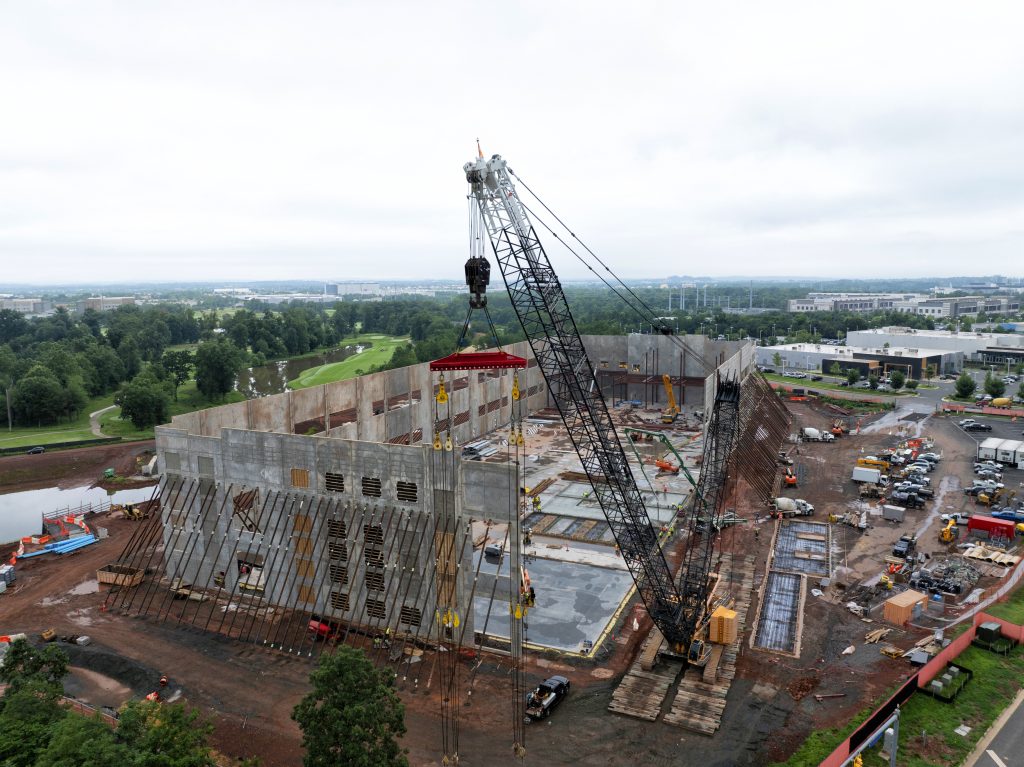
Data Center Construction Is Growing Rapidly: Data center construction has become one of the fastest-growing sectors in the construction industry. The rapid expansion of artificial intelligence, cloud computing, and digital storage has increased demand for large-scale data facilities throughout the United States. Technology companies are investing billions of dollars into new infrastructure to support AI systems and online services.
Building data centers requires specialized construction methods because these facilities need advanced cooling systems, backup power supplies, and strong electrical infrastructure. Contractors working in this sector often need expertise in mechanical, electrical, and high-tech building systems. As demand grows, many construction companies are expanding their services to compete for data center projects.
Industry analysts expect this trend to continue over the next several years. The growth of AI applications and increased internet usage are creating a constant need for additional data storage and processing capacity. Some regions are experiencing major economic benefits from these projects, including job creation and infrastructure improvements.
According to Deloitte’s construction outlook and reporting from Construction Dive, data center development is expected to remain a major driver of nonresidential construction growth. Companies are particularly focused on areas with reliable power availability and access to transportation networks. This trend highlights how technology is reshaping priorities within the construction industry.
Sustainable Building Practices Continue to Expand: Sustainability remains an important trend in the construction industry as developers and contractors focus on reducing environmental impact. Many companies are incorporating energy-efficient systems, environmentally friendly materials, and sustainable design practices into both residential and commercial projects. Green building certifications such as LEED continue to influence construction planning and project development.
Governments and private organizations are also encouraging sustainable construction through regulations and incentives. Builders are increasingly using recycled materials, energy-efficient lighting, solar technology, and improved insulation systems to reduce long-term energy consumption. These practices can help lower operating costs for building owners while supporting environmental goals.
Another major focus is reducing carbon emissions associated with construction activities and building operations. Contractors are exploring ways to decrease waste, improve fuel efficiency, and use cleaner technologies on jobsites. Some firms are also adopting prefabrication and modular construction methods to reduce material waste and improve efficiency.
According to the U.S. Green Building Council and For Construction Pros, demand for sustainable buildings continues to grow despite economic uncertainty. Many businesses and consumers view environmentally responsible construction as both financially beneficial and socially important. Industry experts expect green construction practices to become even more common as environmental regulations and energy standards continue to evolve.
Trends in Used Equipment Values
The market for used construction equipment remains soft, with values continuing to be pressured by elevated supply, cautious dealer buying activity, and aggressive new-equipment incentives. Over approximately the past two years, many dealers have reduced or suspended inventory purchases, resulting in continued buildup across certain equipment categories. In some cases, dealer inventories remain full and include unused or low-hour 2024 model-year equipment.
Manufacturers have also contributed to the softness in the used market by offering favorable retail programs, including 0% or below-market financing in many cases, in an effort to reduce excess new-equipment inventory. These incentives have made new equipment more competitive against late-model used assets, thereby limiting upward pressure on used values.
While sales activity has begun to improve for certain asset classes, the increased transaction volume has not yet translated into measurable value appreciation in the broader used construction equipment market. Demand remains selective. As is typical in any market cycle, low-hour, late-model equipment continues to attract the strongest buyer interest, particularly where specifications, condition, and remaining warranty coverage are favorable. However, older machines and higher-hour equipment remain notably soft, with buyers applying greater scrutiny to age, hours, condition, maintenance history, and anticipated repair exposure.
Overall, the used construction equipment market remains bifurcated. Stronger demand exists for late-model, low-hour machines, while older and higher-hour assets continue to experience weaker demand and value pressure. Until dealer inventories normalize and manufacturer incentives moderate, used equipment values are expected to remain constrained.